
Local Culture
Osing Banyuwangi: Language, Hospitality, and Living Identity
Culture is not a performance that begins when visitors arrive.
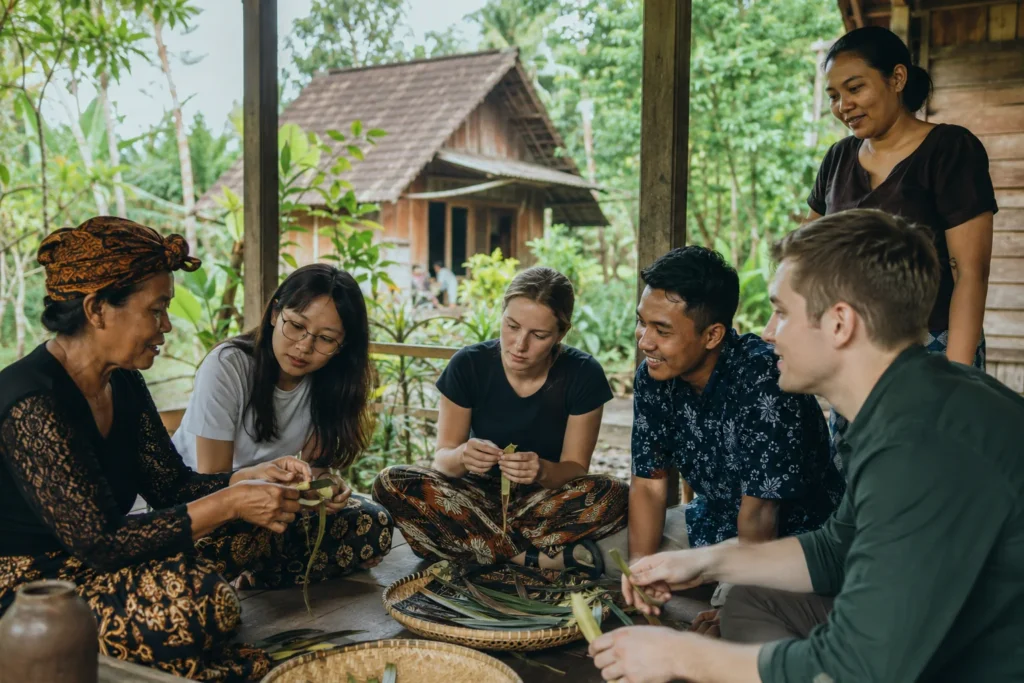
Banyuwangi sits at the eastern end of Java, facing Bali across the strait. Among the communities that shape the region are Osing people, whose language, arts, foodways, village traditions, and local identities contribute to Banyuwangi’s distinctive cultural life. “Osing culture†is not one fixed performance. It is lived differently across families, generations, villages, and modern settings.
Language carries belonging
Osing is related to Javanese but has its own vocabulary, sounds, and social meaning. You may hear Indonesian, Javanese, Osing, Madurese, or mixtures depending on place and speaker. Do not assume that one language represents everyone. Ask, “Biasanya di sini memakai bahasa apa?†and let people name their own language practice.
Visit a village as a guest
Places associated with Osing heritage may welcome visitors through architecture, music, dance, crafts, agriculture, or food. Follow local hosting arrangements, ask before entering homes or private yards, and do not photograph children or elders without clear permission. Buying directly from local makers can support the visit, but bargaining should remain polite and voluntary.
Avoid freezing culture in the past
Traditional arts can coexist with smartphones, higher education, tourism businesses, and contemporary music. Describing people as “untouched†or “unchanged†may sound complimentary but ignores their choices and present-day lives. Better questions ask how a tradition is learned, who teaches it, when it is used, and what younger people want to carry forward.
Taste with context
Banyuwangi food reflects local ingredients, trade, agriculture, and household knowledge. Ask what a dish is called locally, when it is usually eaten, and whether it contains seafood, meat, shrimp paste, peanuts, or other allergens. Food conversations often open a gentle path into family and regional stories.
The most respectful way to encounter Osing culture is to accept that you will not understand everything in one visit. Learn one greeting, one story, one sound, or one cooking detail—and leave space for the community to remain larger than your summary.
Keep following your curiosity
Related Stories
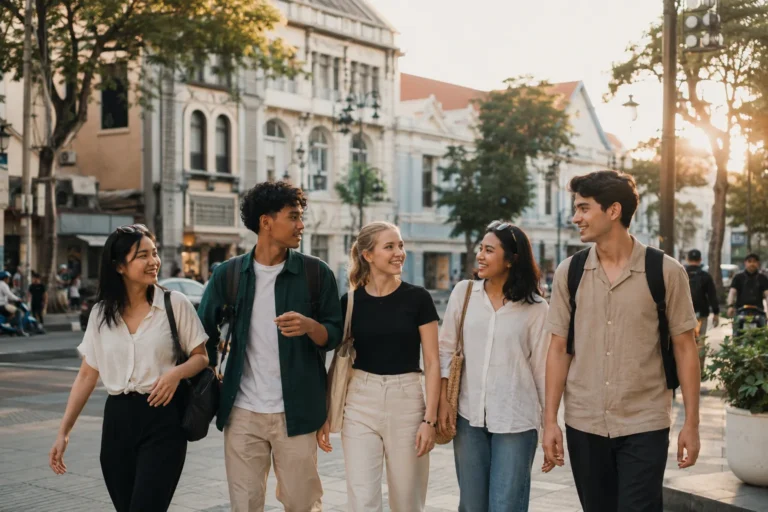
Tunjungan After the Postcard: How to Read Surabaya Through One Street
A people-first walk through Tunjungan: architecture, memory, everyday commerce, and the small courtesies that help visitors experience a living Surabaya street.
Read Story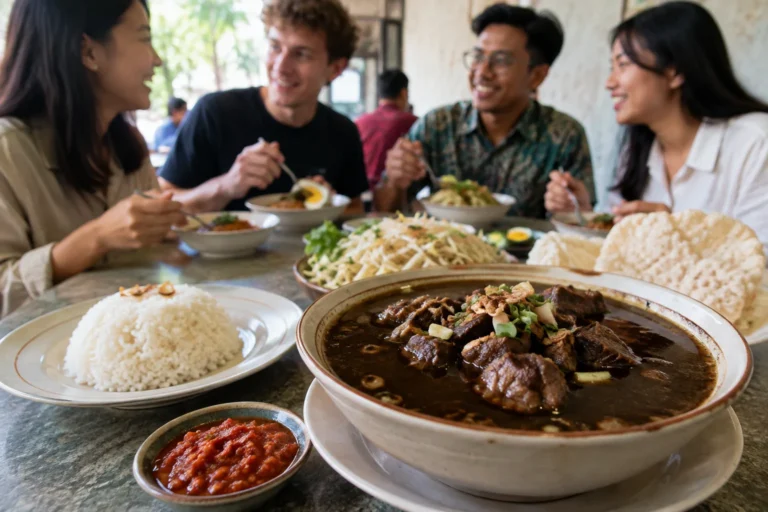
Rawon Surabaya: More Than a Bowl of Black Soup
Understand the keluak, accompaniments, and social rituals that make rawon one of Surabaya’s most recognisable everyday foods.
Read Story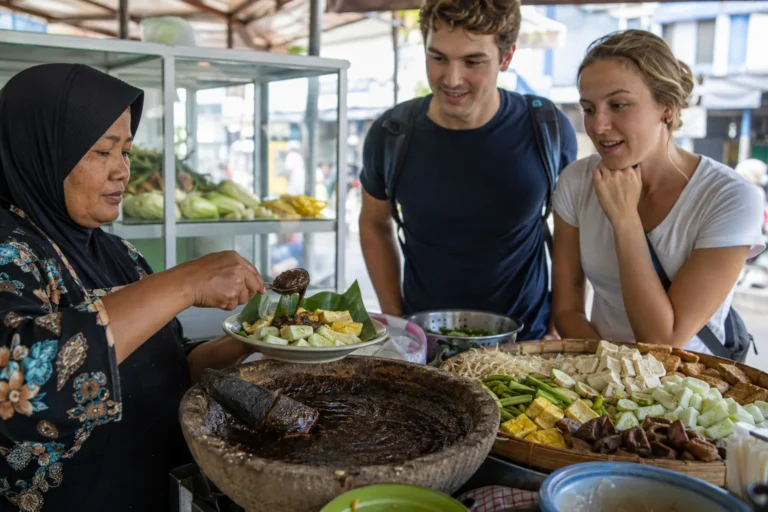
Rujak Cingur: Learning to Love the Mix
A respectful introduction to Surabaya’s rujak cingur, including ingredients, ordering language, dietary questions, and why its mixture matters.
Read StoryExperience the context